
How Diabetic Foot Care Prevents Infections and Complications
- posted: Mar. 23, 2026
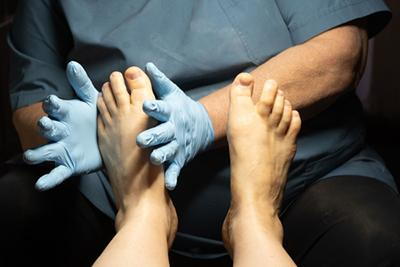
Managing diabetes requires constant vigilance, and nowhere is this more critical than with the health of your feet. High blood sugar levels over time can lead to nerve damage and poor circulation, making the feet vulnerable to injuries that often go unnoticed. At Podiatrist in Motion, Gregory Cardinal, DPM, provides mobile clinical services to patients in Alexandria, Arlington, Fairfax, Reston, Gainesville, Falls Church, and Centreville, VA. By bringing professional medical oversight directly to the home, the practice ensures that consistent diabetic foot care remains a priority for those at risk of severe complications.
Understanding the Risk of Neuropathy
Peripheral neuropathy is a common consequence of diabetes that reduces the ability to feel pain, heat, or cold in the lower extremities. When a patient loses sensation, a small pebble in a shoe or a blister can quickly turn into an open sore without the person ever feeling discomfort. In Northern Virginia, Dr. Cardinal performs regular sensory testing to determine the extent of nerve involvement. Without the body’s natural warning system, daily self-inspections and professional screenings are the only way to catch minor abrasions before they escalate into deep tissue infections.
The Impact of Impaired Circulation
Diabetes often causes the blood vessels to narrow, significantly reducing the flow of oxygen and nutrients to the feet. This poor circulation slows the healing process for even the smallest cuts. When blood flow is restricted, the immune system cannot effectively reach the site of an injury to fight off bacteria. Professional diabetic foot care involves monitoring vascular health and ensuring that any signs of redness, swelling, or localized warmth are managed immediately. By maintaining optimal blood flow and skin integrity, the risk of developing a non-healing ulcer is greatly reduced.
Preventing Ulcers and Bone Infections
A foot ulcer is one of the most serious complications of diabetes and is a leading cause of hospitalizations. These open wounds can quickly become infected, and if the infection reaches the bone, a condition known as osteomyelitis, the risk of amputation increases significantly. Dr. Cardinal uses specialized debridement techniques and advanced wound dressings to promote closure in existing sores. For patients in Northern Virginia, regular nail and callus trimming by a podiatrist prevents the buildup of friction and pressure that often leads to these dangerous breaks in the skin.
The Role of Specialized Footwear
Protective gear is a fundamental component of a preventive strategy. Diabetic shoes and custom inserts are designed to redistribute pressure away from vulnerable areas of the foot. These orthotics provide a cushioned environment that minimizes the chance of skin breakdown during walking. During a home visit, Dr. Cardinal evaluates the patient's current footwear to ensure there are no interior seams or tight spots that could cause friction. This proactive approach to structural support is essential for maintaining mobility while keeping the skin intact.
By integrating regular examinations into your routine, you can avoid the life-altering consequences of untreated foot issues. Through expert mobile services and a dedication to limb preservation, Gregory Cardinal, DPM, is proud to support the health of the Northern Virginia community through comprehensive diabetic foot care at Podiatrist in Motion. To schedule a house visit in Alexandria, Arlington, Fairfax, Reston, Gainesville, Falls Church, or Centreville, VA, call 703- 879-5155.
- posted: Mar. 23, 2026
Managing diabetes requires constant vigilance, and nowhere is this more critical than with the health of your feet. High blood sugar levels over time can lead to nerve damage and poor circulation, making the feet vulnerable to injuries that often go unnoticed. At Podiatrist in Motion, Gregory Cardinal, DPM, provides mobile clinical services to patients in Alexandria, Arlington, Fairfax, Reston, Gainesville, Falls Church, and Centreville, VA. By bringing professional medical oversight directly to the home, the practice ensures that consistent diabetic foot care remains a priority for those at risk of severe complications.
Understanding the Risk of Neuropathy
Peripheral neuropathy is a common consequence of diabetes that reduces the ability to feel pain, heat, or cold in the lower extremities. When a patient loses sensation, a small pebble in a shoe or a blister can quickly turn into an open sore without the person ever feeling discomfort. In Northern Virginia, Dr. Cardinal performs regular sensory testing to determine the extent of nerve involvement. Without the body’s natural warning system, daily self-inspections and professional screenings are the only way to catch minor abrasions before they escalate into deep tissue infections.
The Impact of Impaired Circulation
Diabetes often causes the blood vessels to narrow, significantly reducing the flow of oxygen and nutrients to the feet. This poor circulation slows the healing process for even the smallest cuts. When blood flow is restricted, the immune system cannot effectively reach the site of an injury to fight off bacteria. Professional diabetic foot care involves monitoring vascular health and ensuring that any signs of redness, swelling, or localized warmth are managed immediately. By maintaining optimal blood flow and skin integrity, the risk of developing a non-healing ulcer is greatly reduced.
Preventing Ulcers and Bone Infections
A foot ulcer is one of the most serious complications of diabetes and is a leading cause of hospitalizations. These open wounds can quickly become infected, and if the infection reaches the bone, a condition known as osteomyelitis, the risk of amputation increases significantly. Dr. Cardinal uses specialized debridement techniques and advanced wound dressings to promote closure in existing sores. For patients in Northern Virginia, regular nail and callus trimming by a podiatrist prevents the buildup of friction and pressure that often leads to these dangerous breaks in the skin.
The Role of Specialized Footwear
Protective gear is a fundamental component of a preventive strategy. Diabetic shoes and custom inserts are designed to redistribute pressure away from vulnerable areas of the foot. These orthotics provide a cushioned environment that minimizes the chance of skin breakdown during walking. During a home visit, Dr. Cardinal evaluates the patient's current footwear to ensure there are no interior seams or tight spots that could cause friction. This proactive approach to structural support is essential for maintaining mobility while keeping the skin intact.
By integrating regular examinations into your routine, you can avoid the life-altering consequences of untreated foot issues. Through expert mobile services and a dedication to limb preservation, Gregory Cardinal, DPM, is proud to support the health of the Northern Virginia community through comprehensive diabetic foot care at Podiatrist in Motion. To schedule a house visit in Alexandria, Arlington, Fairfax, Reston, Gainesville, Falls Church, or Centreville, VA, call 703- 879-5155.
Practice Hours
Monday
8:00 am - 6:00 pm
Tuesday
8:00 am - 6:00 pm
Wednesday
8:00 am - 6:00 pm
Thursday
8:00 am - 6:00 pm
Friday
8:00 am - 6:00 pm
Saturday
Call for availability
Sunday
Emergency Availability